


Hiring an in-house medical biller sounds simple until you discover the true cost. Beyond wages, your practice must cover payroll taxes, insurance, compliance, and administrative overhead.
If you are budgeting around $20 per hour for a biller in Georgia, this Apple Billing & Credentialing guide breaks down what you will actually spend. The real cost of a W-2 medical biller is rarely what owners expect when they first run the numbers.
Key Takeaways
- The real cost of a W-2 medical biller earning $20 per hour is typically $24 to $28 per hour after taxes and benefits.
- Mandatory employer contributions for Social Security and Medicare alone add 7.65% to base wages.
- A 1099 contractor costs a flat hourly rate, but only if the worker legitimately meets IRS contractor criteria.
- Most in-house medical billers must be classified as W-2 employees.
- Outsourcing to a billing company often becomes the most cost-efficient option once turnover, PTO, and compliance are factored in.
True Cost of a W-2 Medical Biller
A W-2 employee adds payroll tax liabilities that quietly increase your real hourly cost. Many practice owners budget only for wages and are surprised by the gap between gross pay and total spend.
Apple Billing & Credentialing routinely sees small practices underestimate this number by 20% or more. That gap is the difference between a profitable hire and one that drains cash flow.
Mandatory Employer Contributions
Every W-2 paycheck triggers federal payroll taxes that the employer must match. These mandatory employer contributions are non-negotiable and apply from the first hour worked.
- Social Security: 6.2% of wages
- Medicare: 1.45% of wages
- Total payroll tax: 7.65%
For a biller paid $20 per hour, that adds $1.53 per hour right off the top, bringing the rate to $21.53 before any other expense is considered.
Additional Costs Most Practices Miss
Beyond the core mandatory employer contributions, several variable but unavoidable costs apply to every W-2 hire. These line items are easy to overlook during initial budgeting.
- FUTA and SUTA in Georgia: 1% to 3%
- Workers’ compensation insurance: 0.5% to 2%
- Payroll processing and admin: 1% to 2%
- Benefits (optional but common): 10% to 30%, including health insurance, PTO, and retirement contributions
Realistic W-2 Cost Estimates
Layering these costs together produces a range that depends on whether your practice offers benefits. The table below reflects what Apple Billing & Credentialing typically sees with Georgia practices.
| Scenario | Real Hourly Cost |
| Bare minimum, no benefits | $22 to $24 per hour |
| Typical small practice | $23 to $27 per hour |
| With full benefits | $26 to $32 or more per hour |
Most practices pay $24 to $28 per hour for a $ 20-per-hour biller, once everything is included. This is the true cost of a W-2 medical biller in practical terms.
1099 Contractor: Simpler and Lower Cost
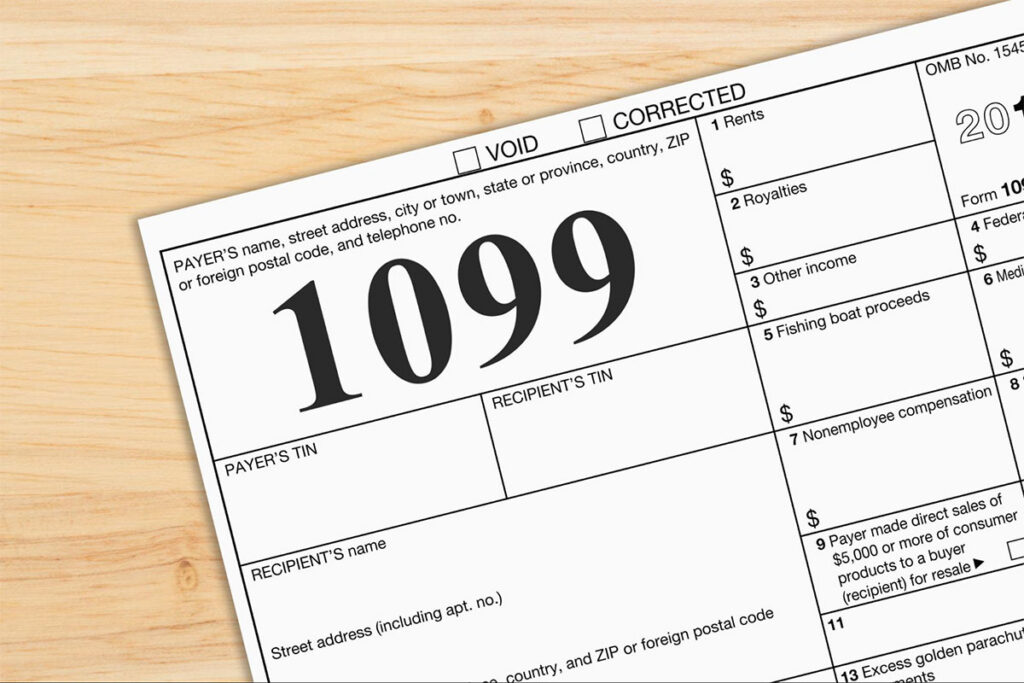
For a 1099 contractor, the math is much simpler. There are no employer taxes, benefits, or unemployment or workers’ compensation obligations.
What a 1099 Arrangement Looks Like
- $20 per hour flat with no markup
- No benefits to fund or administer
- No employer-side payroll taxes
- No unemployment insurance or workers’ comp
The total cost is $20 per hour, exactly what you agreed to pay. The catch is that the IRS decides whether the relationship actually qualifies as contractor work.
IRS Rules: You Cannot Misclassify Employees
You cannot label someone as a 1099 contractor simply to save money on payroll taxes. The IRS looks at the substance of the working relationship, not the label on the paperwork.
When a Worker Is Not a Contractor
A worker generally must be a W-2 employee if any of these conditions apply to the role.
- They follow your set work schedule.
- Your practice trains them.
- They use only your systems and software.
- They work exclusively for your practice.
- You direct how the work must be performed.
Most in-house medical billers meet several of these criteria, which means they must be classified as W-2 under IRS guidelines. Misclassification penalties, back taxes, and interest can far exceed the savings any practice hoped to capture.
W-2 vs 1099: True Cost Comparison
Side by side, the difference between the two arrangements is substantial. Apple Billing & Credentialing recommends running these numbers before any hiring decision.
| Type | Hourly Wage | Your Actual Cost |
| W-2 employee | $20 | $24 to $28 per hour |
| 1099 contractor | $20 | $20 per hour |
W-2 employees cost roughly 20% to 40% more than the headline wage. That premium funds the protections and benefits the employee receives, but it has to be planned for in advance.
What Most Practices Choose
The right structure depends on how the biller will work, where they sit, and how predictable your claim volume is. Apple Billing & Credentialing has seen each model succeed under the right conditions.
Common Staffing Models
- In-house biller working onsite: W-2 employee
- Remote or independent biller working across practices: 1099 or per-claim
- Full billing company: percentage of collections, the most scalable option
Practices seeking a structured assessment of which model fits best can request a Practice RCM Assessment to map current costs to expected revenue cycle performance.
Apple Billing & Credentialing Recommendation
At $20 per hour, expect the real cost of a W-2 medical biller to be closer to $25 per hour once all employer obligations are factored in. A 1099 contractor stays at $20 per hour, but only if the role genuinely qualifies under IRS rules.
By the time you add training, turnover, PTO, and compliance exposure, outsourcing often becomes the more cost-efficient path. Apple Billing & Credentialing helps practice owners model these scenarios so the final decision is based on numbers, not assumptions.
Frequently Asked Questions
What is the real cost of hiring an in-house medical biller?
The true cost of a $ 20-per-hour biller is typically $24 to $28 per hour after payroll taxes, insurance, admin fees, and benefits.
Is it cheaper to hire a 1099 medical biller than a W-2 employee?
Yes. A 1099 contractor costs a flat $20 per hour with no employer taxes, but the worker must meet IRS criteria to be legally classified as a contractor.
Can an in-house medical biller be classified as a 1099 contractor?
Usually no. If you control the schedule, training, workflows, or systems, the biller must legally be a W-2 employee.
What is the alternative to hiring an in-house biller?
Most practices choose to outsource to a billing company that charges a percentage of collections. This approach eliminates staffing overhead and removes much of the compliance risk.
Why do medical billing companies cost less than maintaining staff?
Outsourcing removes payroll taxes, benefits, turnover, PTO, software training, and compliance exposure from the practice’s books. The percentage fee is predictable and scales with collections rather than headcount.
Get Support From Apple Billing & Credentialing
Choosing between W-2, 1099, and outsourced models is one of the most consequential staffing decisions a practice will make. Apple Billing & Credentialing helps providers run the math, structure the role correctly, and protect against misclassification risk.
Contact Apple Billing & Credentialing for a clear comparison tailored to your practice and patient volume.